
ਕਿਰਤ ਕਰੋ
Kirat Karo
Earn an honest living
Work for your livelihood with dedication, sincerity and integrity. Always speak the truth and lead a decent life with high moral values.
Waheguru Ji Ka Khalsa, Waheguru Ji Ki Fateh
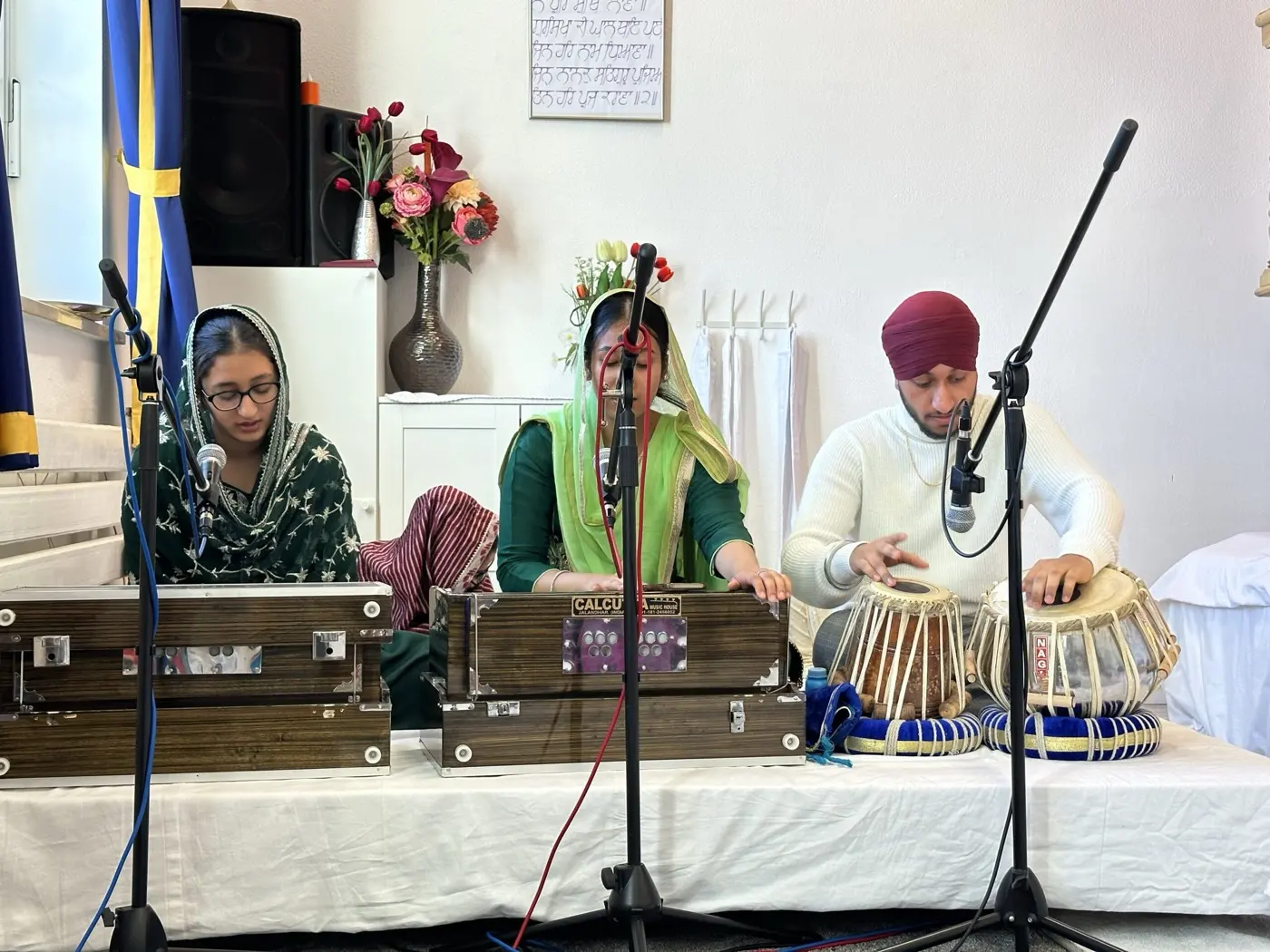
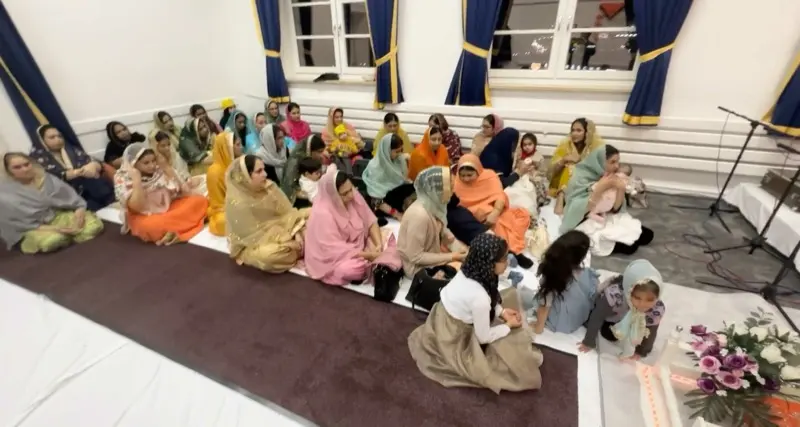
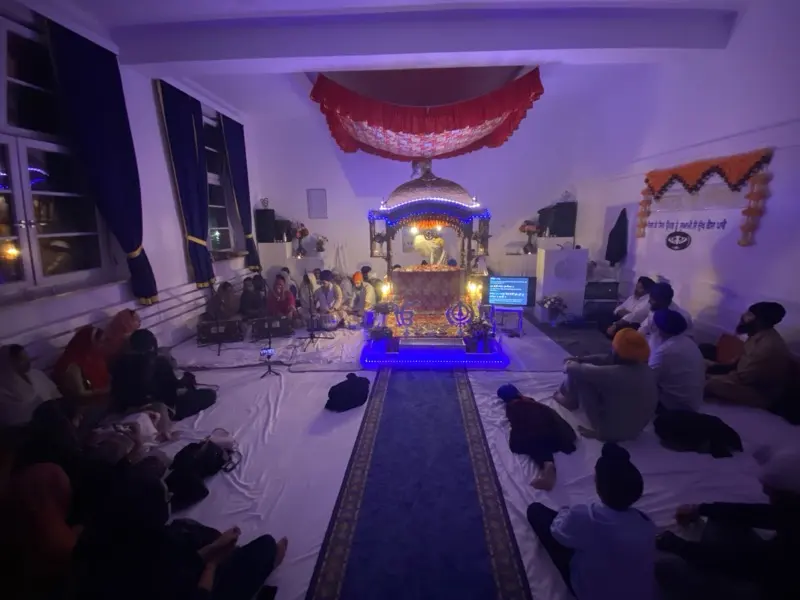
Since 2010, the Sangat from Kiel and the surrounding area has come together every Sunday – for prayer, for Kirtan and for a shared Langar. You are warmly welcome, whatever your background or religion.
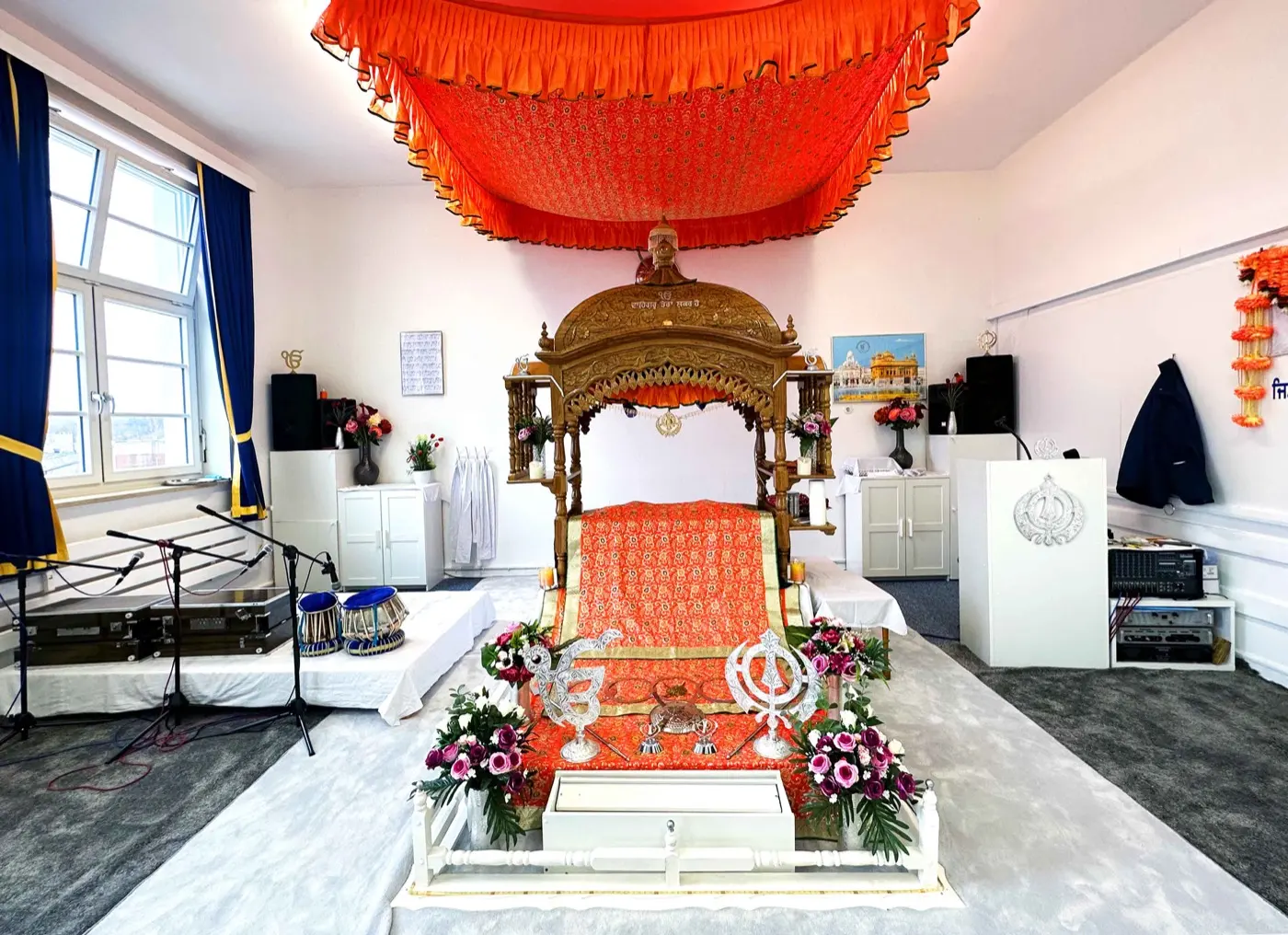
Every Sunday10:00 – 15:00, Diwan and Langar.
Your first visit
A Gurdwara is open to all people. If it’s your first time, you don’t need to know or bring anything. Four simple gestures show respect.
Shoes are left at the entrance before entering the prayer hall.
Women and men alike cover their head – a simple scarf is enough.
Please also wear modest, appropriate clothing.
Tobacco, alcohol and drugs are strictly forbidden in the Gurdwara.
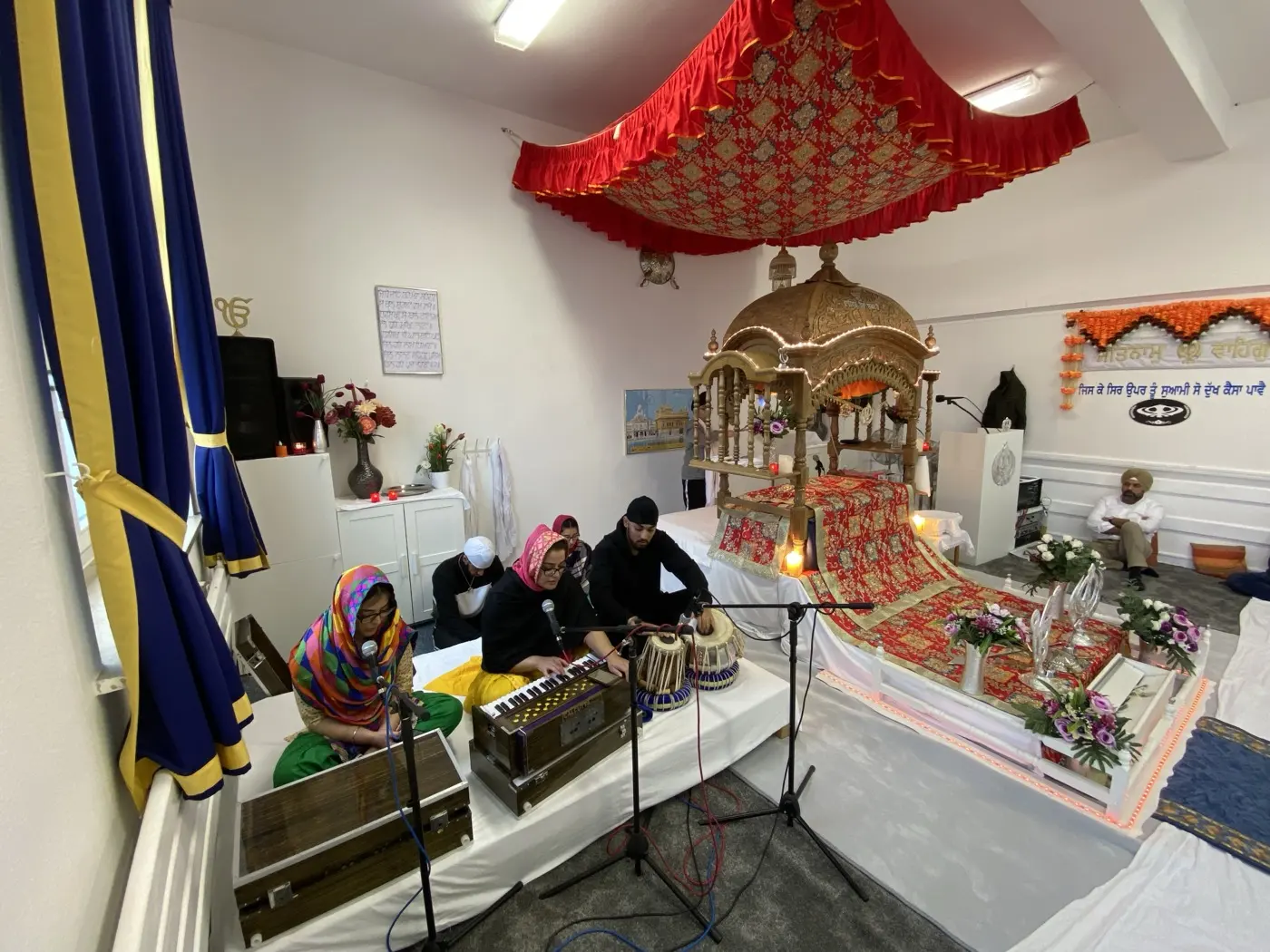
Sunday at the Gurdwara
About us
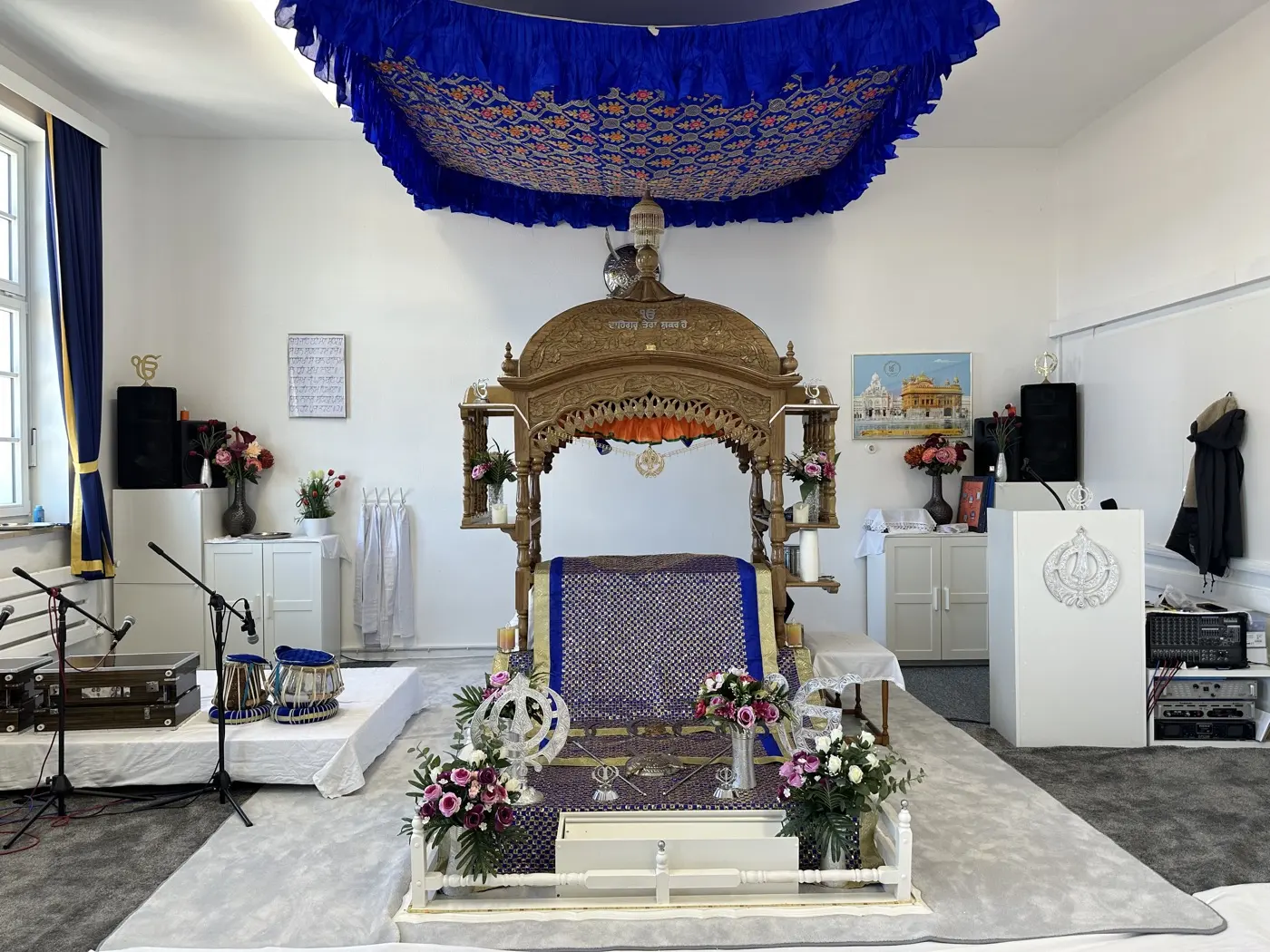
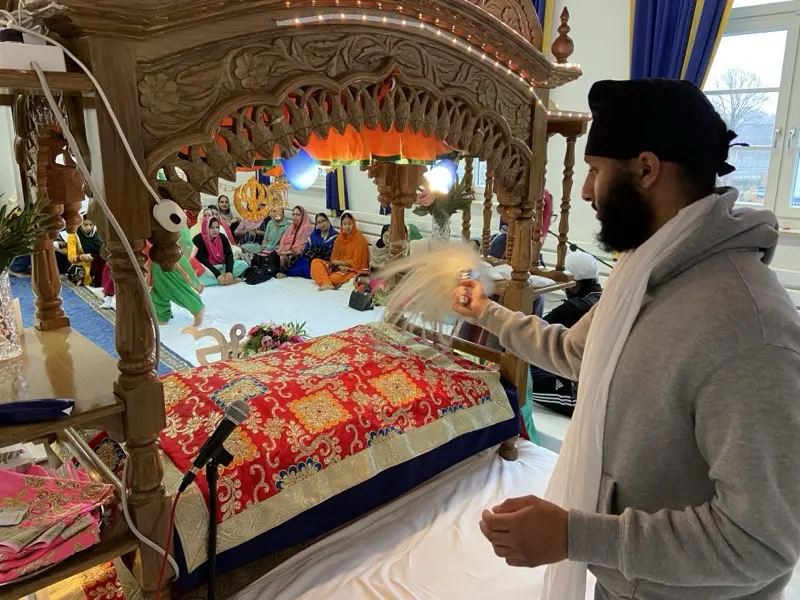
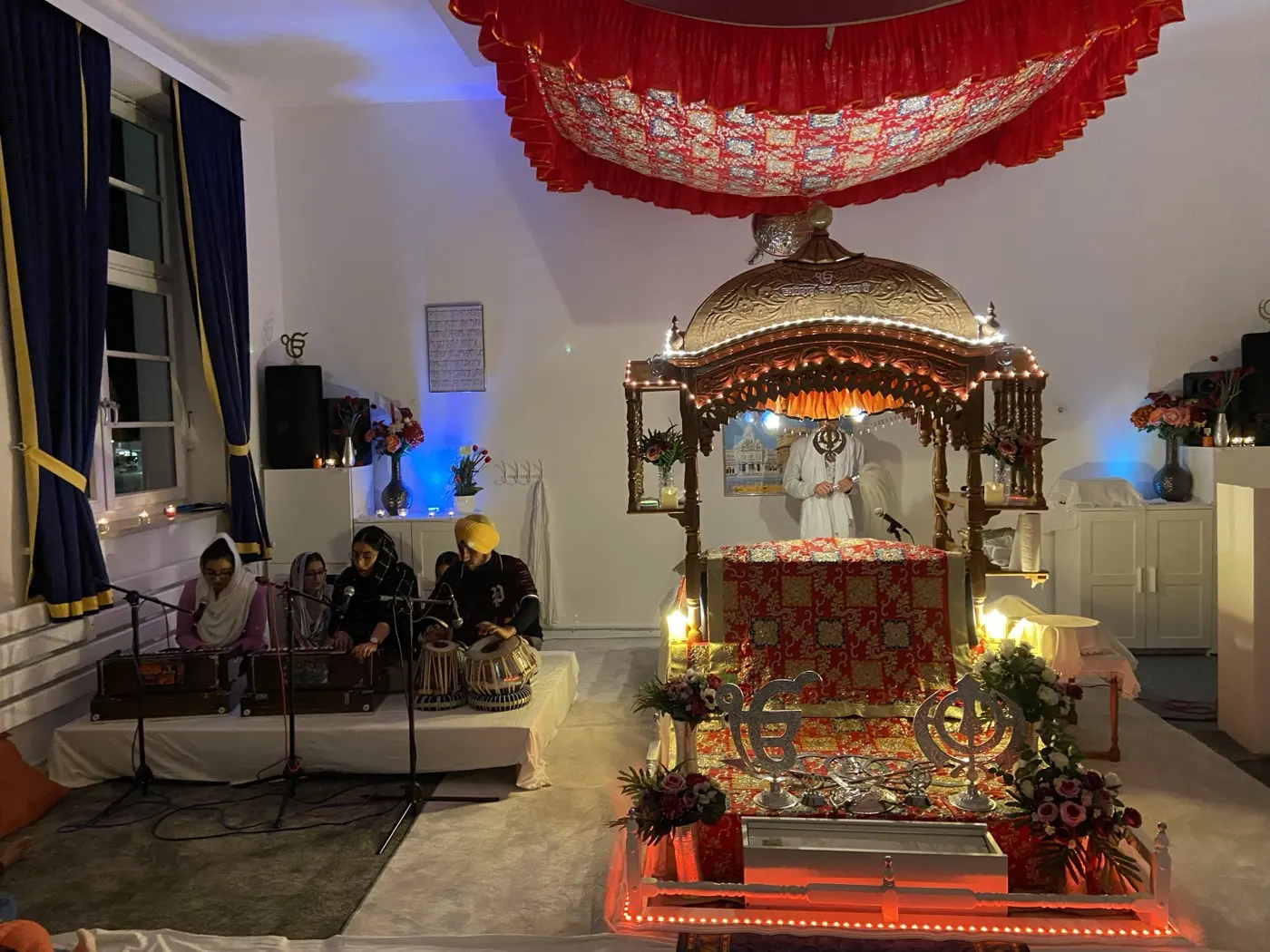
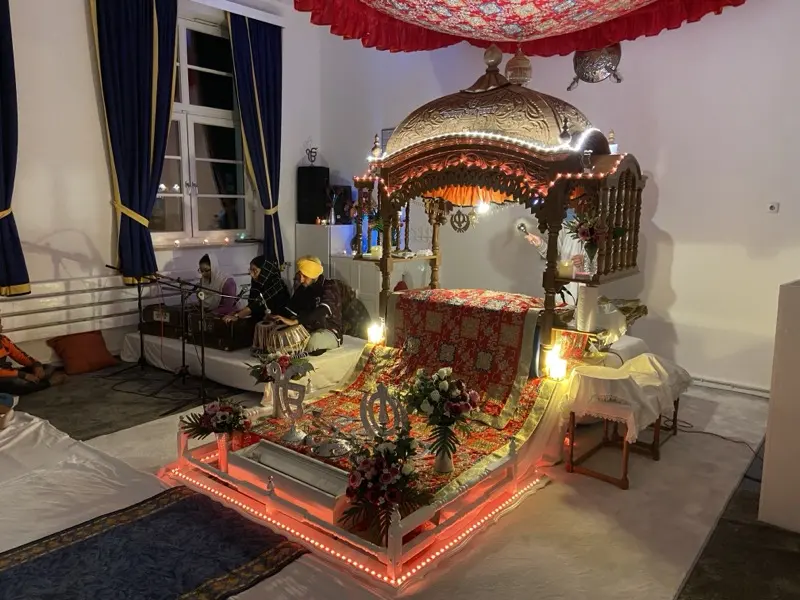
Gurdwara Sahib Kiel – the Sikh place of worship, often called a Sikh temple – was founded in October 2010. Since then, the Sangat from Kiel and the neighbouring towns has met every Sunday to devote itself to the teachings of Sikhi. We pray together, then Langar is served and we eat together.
The initiative to found the Gurdwara came from the Indisch-Panjabi-Kultur-Gesellschaft e.V. (Indian Panjabi Cultural Society), established in 2008.
Older members of the community pass Sikhi on to children and young people, including lessons in Gurmukhi and Kirtan.
Getting to know Sikhi
ਕਿਰਤ ਕਰੋ
Earn an honest living
Work for your livelihood with dedication, sincerity and integrity. Always speak the truth and lead a decent life with high moral values.
ਨਾਮ ਜਪੋ
Remember God
Remember God in everything you do – through recitation, meditation (Naam Simran) or reading Gurbani.
ਵੰਡ ਛਕੋ
Share with others
Share what you have with others and with those less fortunate – regardless of caste, creed, colour or sexuality.
Questions & answers
Answers to common questions about Sikhi and visiting the Gurdwara. Can’t find your question? Get in touch.
Sikh means student or disciple. Sikhs believe in one universal Creator – Ik Oankar ੴ – who creates, sustains and dissolves everything.
Humanity has its origin in the one Creator and carries the Creator’s light within. This light has no gender, religion, nationality or sexual orientation. The aim of a Sikh is to unite with the Creator.
A Sikh believes in the writings and teachings of the ten Sikh Gurus and in the living Shabad Guru, Guru Granth Sahib Ji, as well as in further scriptures such as Dasam Granth, Sarbloh Granth, Vaaran Bhai Gurdas Ji and the Rehitname, and lives according to the Rehit Maryada, the Sikh code of conduct.
Sikhs believe in karma: everyone reaps what they sow. The Sikh faith rejects polytheism, the worship of planets, fasting, empty rituals, superstition and the caste system. It teaches selfless service to the community – Seva.
Sikhi began in the 15th century with the first Guru, Guru Nanak Dev Ji. He appeared on earth in Talwandi, today’s Nankana Sahib (Pakistan).
He had nine successors; today the living Guru of the Sikhs is Guru Granth Sahib Ji. Guru Nanak Dev Ji taught the fundamentals of life and turned away from the caste system and the oppression of women.
He travelled to religious centres such as Tibet, Mecca and Sri Lanka, spreading his message of one Creator, of equality and of freedom from slavery and oppression.
Guru Granth Sahib Ji is the eternal Guru of the Sikhs. The scripture comprises 1430 Angs (pages) and is written in Gurmukhi. It contains the verses of the Sikh Gurus as well as of saints from different backgrounds and religions.
Guru Arjan Dev Ji compiled the scripture in 1604. In 1708, Guru Gobind Singh Ji conferred Guruship upon it. That is why Guru Granth Sahib Ji is at the centre of every Gurdwara and is treated with the utmost respect.
The turban (Dastar) protects the uncut hair and is a visible sign of dignity, equality and devotion to the Guru. It is worn by men and also by women.
On Vaisakhi in 1699, Guru Gobind Singh Ji founded the Khalsa and gave it five articles of faith, the five Kakaar: Kesh (uncut hair), Kangha (wooden comb), Kara (iron bracelet), Kachera (undergarment) and Kirpan.
Anyone in need of a meal is welcome as a guest of the Guru and can eat free of charge, regardless of caste, class, religion or gender.
The concept was introduced by Guru Nanak Dev Ji. Since then, Gurdwaras have fed millions of people every day. From cooking to serving, Langar relies entirely on voluntary service – Seva – which helps to humble the ego.
Langar is eaten together while sitting on the floor. This symbolises equality: everyone sits at the same level and receives the same food.
Kaam ਕਾਮ (lust), Krodh ਕਰੋਧ (anger), Lobh ਲੋਭ (greed), Moh ਮੋਹ (emotional and material attachment) and Hankar ਹੰਕਾਰ (ego or pride) are called the five thieves in Sikhi. They are the main weaknesses of the human personality.
These five thieves keep a person from becoming one with the Creator. They have to be fought throughout one’s life, and honesty is the best strategy.
A Hukamnama is a command, a message read from Sri Guru Granth Sahib Ji. The reader opens the Angs (pages) at random and reads aloud the Shabad (hymn) that appears. It is a direct message from Guru Ji to those listening.
The word combines Hukam (command, divine will) and Nama (letter). The Hukamnama is not chosen but received: it is accepted as an answer and guidance, and one tries to live the day in its spirit.
At the Gurdwara, a Hukamnama is read at the end of every Diwan. The Hukamnama from Sri Harmandir Sahib in Amritsar is published daily and can be found further down this page.
Yes. The Gurdwara is open to all people, regardless of background or religion. No registration is needed; the visit and the Langar are free of charge.
As our premises are still small, we ask groups to contact us in advance. Together we will then see whether and when a visit works well.
In the Darbar Sahib everyone sits on the floor. Please take care not to point your feet towards Guru Granth Sahib Ji. Those who wish may bow on entering; this is not required.
At the end, Karah Prashad, a sweet offering, is handed out. It is received while seated, with both hands. Please speak quietly and switch your phone to silent.
Daily from Amritsar
The message of the day, directly from Sri Harmandir Sahib – the Golden Temple.
Hukam means command or divine will, Nama means letter. Every morning, Guru Granth Sahib Ji is opened at a random page; the Shabad found there is the Hukamnama of the day. Sikhs all over the world read it as the Guru’s guidance for their day.
Source: BaniDB · English translation
From Sri Guru Granth Sahib Ji
ਵਵਾ ਵੈਰੁ ਨ ਕਰੀਐ ਕਾਹੂ ॥ ਘਟ ਘਟ ਅੰਤਰਿ ਬ੍ਰਹਮ ਸਮਾਹੂ ॥
Do not harbor hatred against anyone. In each and every heart, God is contained.
ਮਨਿ ਜੀਤੈ ਜਗੁ ਜੀਤੁ ॥
Conquer your own mind, and conquer the world.
ਖੁਦੀ ਮਿਟੀ ਤਬ ਸੁਖ ਭਏ ਮਨ ਤਨ ਭਏ ਅਰੋਗ ॥
When selfishness and conceit are erased, peace comes, and the mind and body are healed.
ਪੁੰਨੀ ਪਾਪੀ ਆਖਣੁ ਨਾਹਿ ॥ ਕਰਿ ਕਰਿ ਕਰਣਾ ਲਿਖਿ ਲੈ ਜਾਹੁ ॥ ਆਪੇ ਬੀਜਿ ਆਪੇ ਹੀ ਖਾਹੁ ॥
Virtue and vice do not come by mere words; actions repeated, over and over again, are engraved on the soul. You shall harvest what you plant.
ਸੋ ਕਿਉ ਮੰਦਾ ਆਖੀਐ ਜਿਤੁ ਜੰਮਹਿ ਰਾਜਾਨ ॥ ਭੰਡਹੁ ਹੀ ਭੰਡੁ ਊਪਜੈ ਭੰਡੈ ਬਾਝੁ ਨ ਕੋਇ ॥
So why call her bad? From her, kings are born. … Without woman, there would be no one at all.
Gallery
Daswand · Donations
Our community is raising funds to buy a building of its own – a permanent place for prayer, Langar and classes in Kiel. Every contribution, large or small, brings us closer to this goal.

GiroCode Scan with a German or European banking app: account holder, IBAN and reference are filled in. Please enter the amount and add your name and address to the reference.
Please enter “Spende” (donation) and your name and address as the payment reference – we will then send you the donation receipt without further questions. We are happy to answer any questions at info@gurdwara-kiel.de.
Contact & directions
Everyone interested is warmly welcome. If you would like to come as a group, please contact us in advance – our premises are still small, and we will see together what is possible.